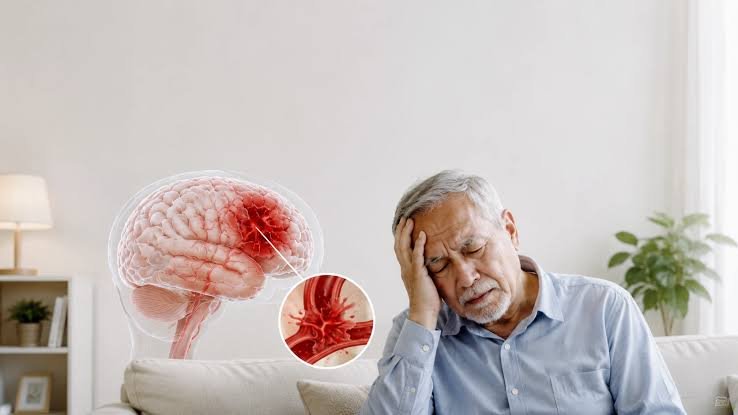
A stroke can happen suddenly.
One moment, everything may seem normal. Then you may notice that someone’s speech sounds different, one side of their face looks uneven, or they suddenly have difficulty moving an arm.
If you’re looking for stroke treatment in Mumbai, understanding the warning signs is an important first step. Recognising these symptoms early can help you respond quickly and seek emergency medical attention when it matters most.
Sometimes, the signs can be easy to dismiss.
“Maybe it’s just dizziness.”
“Maybe they’re tired.”
“Let’s wait and see if it gets better.”
However, when symptoms appear suddenly, waiting can be dangerous.
The early warning signs of a stroke vary from person to person. Common symptoms include sudden weakness or numbness, facial drooping, speech difficulties, sudden confusion, vision changes, dizziness, problems with balance, and an unexplained severe headache.
The important thing is not to diagnose a stroke yourself. It is to recognise a sudden change and take immediate action.
First Question: What Does a Stroke Look Like?
There isn’t one single symptom that appears in every person.
A stroke affects the brain, so the symptoms depend on which part of the brain is affected.
Some people experience sudden weakness, while others may have difficulty speaking, understanding conversations, or seeing clearly.
Common stroke warning signs include:
- Sudden weakness or numbness, particularly on one side of the body.
- Sudden facial drooping.
- Sudden difficulty speaking or understanding speech.
- Sudden confusion or difficulty understanding what is happening around them.
- Sudden changes in vision, including blurred or double vision.
- Sudden dizziness, loss of balance, or coordination problems.
- Sudden difficulty walking.
- A sudden severe headache without a known cause.
These symptoms may appear individually or together.
You should not wait for multiple symptoms to appear. Even one sudden symptom that could indicate a stroke requires immediate emergency assessment.
Why Can Stroke Symptoms Be Easy to Miss?
This is one of the biggest challenges in recognising a stroke.
Not every stroke looks the same.
A person may not experience dramatic symptoms. They might suddenly appear confused, struggle to find the right words, have difficulty understanding a simple question, or become unsteady while walking.
Sometimes, family members may think:
“They’ll be fine after some rest.”
But a sudden change in speech, understanding, movement, vision, or balance should never be ignored.
The symptoms can also affect a person’s ability to recognise that something is wrong.
This is why knowing the warning signs is important for everyone, including people who do not have any known health conditions.
Look at the Face – Does One Side Look Different?
One of the easiest warning signs to recognise is sudden facial drooping.
For example, when the person smiles, one side of the face may appear lower than the other.
You may also notice that:
- Their smile looks uneven.
- One side of their mouth appears drooped.
- They have difficulty moving one side of their face.
Facial drooping may occur along with arm weakness or speech difficulties.
You do not need to confirm the cause yourself. A sudden change in facial movement is a reason to seek emergency medical attention.
What About Sudden Weakness in the Arm or Leg?
Another common warning sign is sudden weakness or numbness in the face, arm, or leg, particularly on one side of the body.
You may notice that:
- One arm feels weaker than the other.
- The person has difficulty lifting one arm.
- One side of the body suddenly feels numb.
- They have difficulty standing or walking normally.
For example, someone who was moving normally a few moments earlier may suddenly struggle to hold an object or lift their arm.
These changes can be particularly concerning when they happen without an obvious explanation.
Do not wait to see whether the weakness improves on its own.
Can Speech Changes Be a Sign of Stroke?
Yes. Sudden changes in speech or understanding can be important warning signs of a stroke.
A person may suddenly:
- Speak unclearly or slur their words.
- Have difficulty finding the right words.
- Struggle to form a complete sentence.
- Be unable to speak normally.
- Have difficulty understanding what someone is saying.
- Become suddenly confused during a conversation.
For example, someone may hear a simple question but struggle to understand it or respond appropriately.
Family members may notice these changes before the person realises something is wrong.
Sudden confusion or difficulty understanding speech should be treated as a possible stroke warning sign, even if there is no facial drooping or obvious arm weakness.
Seek emergency medical assistance immediately.
What If There Is Sudden Dizziness or Loss of Balance?
Not every episode of dizziness means a stroke.
Dizziness can occur for many different reasons. However, sudden and unexplained dizziness accompanied by other neurological symptoms can be a warning sign of a stroke.
Pay attention if someone suddenly experiences:
- Difficulty walking or maintaining balance.
- Loss of coordination.
- Double vision or other sudden vision changes.
- Weakness or numbness.
- Difficulty speaking or understanding speech.
- Severe unsteadiness or a sudden tendency to fall.
These symptoms may occur in some strokes, including strokes affecting the back part of the brain.
The important thing is to recognise when dizziness is sudden, unusual, and accompanied by other changes.
Do not dismiss these symptoms as ordinary weakness or tiredness. Seek immediate emergency assessment.
Can Vision Changes Be a Warning Sign?
Yes.
A stroke can affect the parts of the brain responsible for processing vision.
Some people may suddenly experience:
- Blurred vision.
- Loss of vision in one or both eyes.
- Double vision.
- Difficulty seeing objects clearly.
- Sudden changes in their visual field.
Vision problems can have many causes, so they should not automatically be assumed to be a stroke.
However, when a significant vision change happens suddenly, particularly alongside dizziness, balance problems, or other neurological symptoms, it requires urgent medical attention.
What Is B.E. FAST?
If you want a simple way to remember the important warning signs of a stroke, B.E. FAST can help.
It is a commonly used stroke-awareness method that highlights six important signs.
B – Balance
Is the person suddenly dizzy, unsteady, or having difficulty walking or maintaining balance?
E – Eyes
Is there a sudden change in vision, such as blurred vision, double vision, or unexpected vision loss?
F – Face
Ask the person to smile. Does one side of their face appear to droop?
A – Arms
Ask the person to raise both arms. Is one arm weaker or drifting downward?
S – Speech
Ask the person to repeat a simple sentence. Is their speech unclear, unusual, or difficult to understand? Are they having trouble understanding you?
T – Time
Time to call emergency medical services immediately.
If you notice any of these warning signs, call an ambulance without delay. In India, you can dial 112 for emergency assistance or 108 for ambulance services in Maharashtra.
Note the time when the symptoms first appeared, or the last time the person was known to be well.
Remember, B.E. FAST is a recognition tool, not a diagnostic test. A person does not need to show all six signs to be experiencing a stroke.
What If the Stroke Symptoms Go Away?
This is another situation that people sometimes misunderstand.
A person may suddenly experience weakness, speech difficulties, vision changes, or dizziness, only for these symptoms to improve or disappear after a few minutes or hours.
This could be a transient ischemic attack (TIA), commonly called a mini-stroke.
A TIA happens when blood flow to part of the brain is temporarily reduced or blocked. Its symptoms can resemble those of a stroke, even though they may not last as long.
Because the symptoms disappear, someone might assume:
“Everything is normal now, so there is nothing to worry about.”
That assumption can be dangerous.
A TIA can be a warning that a person is at increased risk of experiencing a future stroke.
Even if the symptoms disappear completely, call emergency medical services and seek immediate hospital assessment. Do not wait for the symptoms to return or schedule a routine appointment instead.
Only a medical assessment can help determine whether the episode was a TIA, a stroke, or another condition.
What Should You Do If You Notice Stroke Warning Signs?
If you suspect that someone is having a stroke, every minute matters.
Do not wait to see whether the symptoms improve. Do not try home remedies or attempt to manage the situation without medical assistance.
Take these steps:
1. Call an ambulance immediately.
Dial 112 for emergency assistance or 108 for ambulance services in Maharashtra. Clearly explain that the person may be experiencing stroke symptoms.
2. Note the time when symptoms started.
Remember the approximate time the symptoms first appeared. If the person woke up with symptoms, note the last time they were known to be well.
This information can help doctors determine which treatment options may be appropriate.
3. Do not wait for symptoms to worsen.
Even mild symptoms or symptoms affecting only one part of the body may indicate a stroke.
4. Do not drive the patient yourself if an ambulance is available.
An ambulance allows medical professionals to provide appropriate care during transportation and helps arrange emergency hospital assessment.
5. Do not ignore symptoms that disappear.
Temporary improvement does not rule out a TIA or stroke. Emergency assessment is still necessary.
6. Follow the emergency team’s instructions.
Avoid giving medicines, food, or drinks unless advised by a healthcare professional.
Early recognition and emergency medical assessment can make an important difference in stroke care.
Does Every Person With a Stroke Have the Same Symptoms?
No.
Stroke symptoms can vary depending on the part of the brain affected and the extent of the injury.
One person may experience sudden weakness in an arm. Another may have difficulty speaking or understanding conversations. Someone else may develop sudden vision problems, dizziness, or difficulty maintaining balance.
This is why you should never wait for a person to develop every possible warning sign.
A sudden, unexplained change in neurological function deserves immediate medical attention.
What Are Some Common Stroke Risk Factors?
Stroke warning signs and stroke risk factors are not the same thing.
A warning sign may indicate that someone is experiencing a stroke. A risk factor is something that increases the likelihood of having one.
Some commonly recognised stroke risk factors include:
- High blood pressure.
- Diabetes.
- High cholesterol.
- Smoking.
- Certain heart conditions, including atrial fibrillation.
- Previous stroke or transient ischemic attack (TIA).
- Physical inactivity.
- Other underlying medical conditions.
Managing existing health conditions, attending regular medical check-ups, and maintaining healthy lifestyle habits can help reduce stroke risk.
However, having no known risk factors does not mean someone cannot experience a stroke.
Sudden stroke-like symptoms should always be treated as an emergency, regardless of age or medical history.
5 Things to Remember About Stroke Warning Signs
Before assuming that a sudden symptom will simply disappear, remember these five important points:
1. Never ignore sudden changes.
Unexpected weakness, facial drooping, speech difficulty, vision changes, or balance problems deserve immediate attention.
2. Do not wait for every symptom.
A person does not need to show all the warning signs of a stroke. Even one sudden warning sign can be significant.
3. Remember B.E. FAST.
Balance, Eyes, Face, Arms, Speech, and Time can help you recognise important stroke warning signs.
4. Do not assume symptoms are harmless because they improve.
Temporary stroke-like symptoms may indicate a TIA and still require immediate hospital assessment.
5. Act immediately.
Call emergency medical services, note the time symptoms started, and get the person assessed at a hospital without delay.
When Is It Time to Seek Emergency Medical Help?
Call emergency medical services immediately if you or someone around you suddenly develops:
- Facial drooping.
- Weakness or numbness, particularly on one side of the body.
- Difficulty speaking or understanding speech.
- Sudden confusion.
- Sudden blurred vision, double vision, or vision loss.
- Sudden dizziness, loss of balance, or coordination problems.
- Difficulty walking.
- A sudden severe headache without a known cause.
You do not have to determine the exact cause yourself.
The priority is to recognise the sudden change, call an ambulance, and get appropriate emergency medical assessment.
Do not wait for a routine doctor’s appointment if a stroke is suspected.
Looking for Stroke Treatment in Mumbai?
If you or a family member is concerned about stroke symptoms, getting the right medical evaluation is an important first step.
For people looking for stroke treatment in Mumbai, understanding specialist care and available treatment options can help when discussing stroke-related concerns with a medical professional.
At Dr. Ashank Bansal’s Vascular Center, patients can seek specialist consultation for vascular conditions and discuss their medical concerns and treatment options based on individual clinical requirements.
You can learn more about [Stroke Treatment] (ADD THE ACTUAL STROKE TREATMENT PAGE URL) or visit the appointment page to enquire about a consultation.
However, if someone is experiencing sudden symptoms that may indicate a stroke, do not wait for a routine consultation or website appointment.
Call 112 or 108 for emergency assistance in Maharashtra and seek immediate hospital care.
Frequently Asked Questions About Stroke Warning Signs
What is the first warning sign of a stroke?
There is no single warning sign that occurs in every person. Sudden weakness or numbness, facial drooping, speech difficulty, confusion, difficulty understanding speech, vision changes, dizziness, and balance problems are among the recognised symptoms.
Can a stroke happen without facial drooping?
Yes. Facial drooping is only one possible warning sign. A person may instead experience sudden speech difficulties, confusion, vision changes, weakness, or balance problems.
Can stroke symptoms come and go?
Yes. Some stroke-like symptoms may temporarily improve or disappear. This can happen with a transient ischemic attack (TIA). Even when symptoms disappear, immediate emergency medical assessment is necessary.
Is sudden dizziness always a sign of stroke?
No. Dizziness has many possible causes. However, sudden dizziness accompanied by difficulty walking, loss of balance, coordination problems, double vision, weakness, or speech difficulty can indicate a serious neurological problem and requires urgent assessment.
What does B.E. FAST stand for?
B.E. FAST stands for Balance, Eyes, Face, Arms, Speech, and Time. It is a simple way to remember several important stroke warning signs and the need to seek emergency assistance immediately.
Should I wait for all the warning signs before seeking help?
No. A person does not need to experience every possible stroke symptom. If even one warning sign appears suddenly, call emergency medical services immediately.
What should I do if stroke symptoms disappear?
Do not assume the person is safe just because the symptoms have disappeared. They may have experienced a transient ischemic attack (TIA), which requires immediate emergency hospital assessment.
Which emergency number should I call for suspected stroke in Mumbai?
In Mumbai and elsewhere in Maharashtra, you can dial 112 for emergency assistance or 108 for ambulance services. Do not delay the call while trying to identify the exact cause of the symptoms.